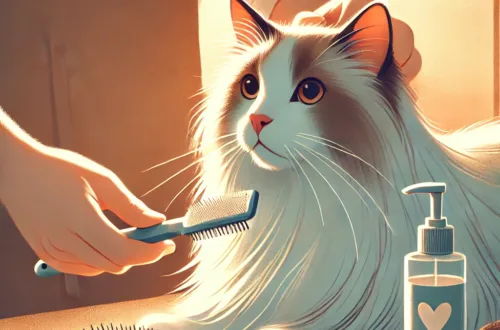
Cat Grooming Essentials: A Comprehensive Guide for Cat Owners
Grooming your cat is not just about keeping them looking good; it’s an essential part of their overall health and well-being. Regular grooming helps prevent matting, reduces shedding, and keeps their coat clean and healthy. It also allows you to check for any skin issues, parasites, or other health concerns. This guide will cover the essentials of cat grooming, including tools, techniques, and specific tips for different breeds.
Why Grooming is Important
- Health Benefits: Regular grooming can help detect skin problems, lumps, or parasites early on, allowing for timely veterinary care.
- Bonding Time: Grooming can strengthen the bond between you and your cat. Cats often enjoy being brushed and pampered, making it a relaxing activity for both of you.
- Reducing Shedding and Hairballs: Grooming helps to remove loose fur and reduces the amount of hair your cat sheds around the house. It can also minimize hairballs, which can cause digestive issues.
- Hygiene: Grooming promotes cleanliness by removing dirt, debris, and dander, which is especially important for indoor cats.
Essential Grooming Tools
Having the right tools is crucial for effective grooming. Here’s a list of essential grooming supplies every cat owner should have:
- Brushes:
- Slicker Brush: Ideal for removing loose fur and tangles, especially in long-haired cats.
- Bristle Brush: Great for short-haired cats to smooth the coat and remove loose hair.
- Undercoat Rake: Useful for cats with thick undercoats to remove dead hair and prevent matting.
- Combs:
- Wide-Toothed Comb: Helps detangle knots without pulling on the skin.
- Flea Comb: Designed to remove fleas and flea dirt from your cat’s fur.
- Nail Clippers: Use specially designed cat nail clippers to trim your cat’s nails safely.
- Shampoo: Choose a gentle, cat-specific shampoo for occasional baths. Avoid human shampoos, which can be too harsh for a cat’s skin.
- Ear Cleaner: A vet-recommended ear cleaner helps keep your cat’s ears free from wax and debris.
- Dental Supplies: Toothbrushes and toothpaste made for cats promote good dental health.
Grooming Techniques
1. Brushing
- Frequency: Brush your cat at least once a week, or more often for long-haired breeds.
- Technique: Start at the head and work your way down the body. Use gentle, long strokes, and avoid pulling on tangles. For cats that are prone to matting, take your time and be patient.
2. Bathing
Cats are generally good at grooming themselves, but occasional baths may be necessary, especially if they get into something dirty or smelly.
- Frequency: Bathe your cat every few months or as needed.
- Technique: Use lukewarm water and a cat-specific shampoo. Make sure to rinse thoroughly to avoid skin irritation. Consider using a non-slip mat in the tub to help your cat feel secure.
3. Nail Trimming
- Frequency: Trim your cat’s nails every 2-4 weeks.
- Technique: Gently press the paw pad to extend the claw and carefully clip just the tip. Avoid cutting the quick (the pink part), as it can bleed and cause pain.
4. Ear Cleaning
- Frequency: Check your cat’s ears weekly for wax buildup or debris.
- Technique: Use a cotton ball or soft cloth with a vet-recommended ear cleaner to gently wipe the inside of the ear. Avoid inserting anything into the ear canal.
5. Dental Care
- Frequency: Brush your cat’s teeth 2-3 times a week to maintain good oral hygiene.
- Technique: Use a toothbrush designed for cats and a veterinary-approved toothpaste. Gradually introduce brushing to your cat to help them become accustomed to the process.
Breed-Specific Grooming Tips
1. Long-Haired Breeds (e.g., Persian, Maine Coon)
- Daily Grooming: Long-haired cats require daily brushing to prevent tangles and mats.
- Bathing: Consider bathing them more frequently, as their coats can trap dirt and oil.
2. Short-Haired Breeds (e.g., American Shorthair, British Shorthair)
- Weekly Grooming: Brush weekly to remove loose hair and dander.
- Less Frequent Baths: Short-haired cats generally need fewer baths, as they are more self-sufficient in grooming.
3. Sphynx and Hairless Breeds
- Regular Wiping: Hairless cats need regular wiping of their skin to remove oils and dirt.
- Bathing: They may require more frequent baths, approximately once every 2-4 weeks, to keep their skin clean.
Tips for a Stress-Free Grooming Experience
- Start Early: If you have a kitten, start grooming them early to get them accustomed to the process.
- Create a Calm Environment: Choose a quiet space free from distractions. Use treats and positive reinforcement to create a positive association with grooming.
- Take Breaks: If your cat becomes agitated, take breaks and try again later.
- Know When to Seek Help: If your cat has severe mats or skin issues, consult a professional groomer or veterinarian for assistance.
Conclusion
Grooming is a vital part of your cat’s health and happiness. By investing time and effort into regular grooming, you can prevent potential health issues, reduce shedding, and strengthen your bond with your feline friend. Remember to tailor your grooming routine to your cat’s specific breed and needs, and always use the right tools to ensure a safe and comfortable experience. With proper grooming practices, you can help your cat maintain a healthy, beautiful coat and enjoy a long, happy life together.
You May Also Like
Nail Trimming for Cats: A Comprehensive Guide to Keeping Your Feline’s Claws Healthy
Dealing with Matted Fur Cats: A Comprehensive Guide for Cat Owners