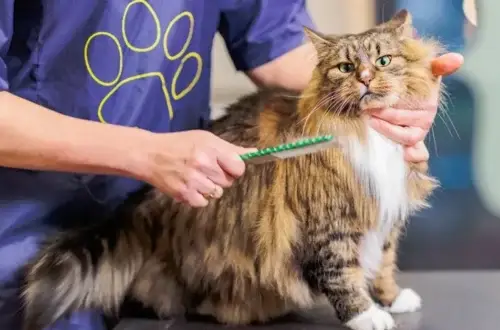
Tips for Grooming Long-Haired Cats: A Complete Guide
Long-haired cats, with their stunning, flowing coats, are a joy to behold. However, their beautiful fur requires regular grooming to prevent mats, tangles, and other potential health issues. Grooming not only keeps your cat looking great, but it also promotes a healthy coat and skin, reduces shedding, and enhances the bond between you and your feline friend. This article will provide essential tips for grooming long-haired cats effectively.
Why Grooming is Important for Long-Haired Cats
- Preventing Matting: Long hair is prone to tangles and mats, which can cause discomfort, skin irritation, and even infections if not addressed promptly.
- Reducing Shedding: Regular grooming helps to remove loose fur, minimizing the amount of hair your cat sheds around the house.
- Skin Health: Grooming allows you to check for skin issues, parasites, or lumps that may require veterinary attention.
- Bonding: Grooming can be a relaxing activity for both you and your cat, strengthening your bond and creating a sense of trust.
Essential Grooming Tools
To groom long-haired cats effectively, it’s important to have the right tools. Here’s a list of must-have grooming supplies:
- Slicker Brush: This brush has fine, short wires close together, making it perfect for removing tangles and mats from long fur.
- Wide-Toothed Comb: Ideal for gently detangling knots and separating hair without pulling on the skin.
- Undercoat Rake: This tool helps remove loose undercoat fur, reducing shedding and preventing mats from forming.
- Nail Clippers: Regular nail trimming is essential for your cat’s comfort and health.
- Cat-Safe Shampoo: For occasional baths, use a gentle shampoo formulated for cats.
- Flea Comb: If your cat is prone to fleas, a flea comb can help remove these pests and their eggs.
Grooming Techniques
1. Brushing
- Frequency: Brush your long-haired cat daily to prevent mats and tangles. This is especially important during shedding seasons.
- Technique:
- Start at the head and work your way down the body, brushing in the direction of hair growth.
- Use the slicker brush to remove tangles and then follow up with the wide-toothed comb for a smooth finish.
- For particularly matted areas, gently work through the mat with your fingers or a comb before using a brush.
2. Bathing
- Frequency: Long-haired cats generally do not need frequent baths, but if they get into something dirty or smelly, a bath may be necessary. Bathing every few months is usually sufficient.
- Technique:
- Use lukewarm water and a cat-safe shampoo. Make sure to rinse thoroughly to avoid residue.
- Wrap your cat in a towel immediately after bathing to keep them warm and dry.
- If your cat is anxious about water, consider using a damp cloth to spot clean instead of a full bath.
3. Nail Trimming
- Frequency: Trim your cat’s nails every 2-4 weeks, depending on their activity level and scratching habits.
- Technique:
- Gently press the paw pad to extend the claw and carefully clip just the tip. Avoid cutting the quick (the pink part) to prevent bleeding and pain.
- Use cat-specific nail clippers for safety and ease.
4. Ear Cleaning
- Frequency: Check your cat’s ears weekly for wax buildup and debris.
- Technique:
- Use a cotton ball or soft cloth moistened with a vet-recommended ear cleaner to wipe the inside of the ear. Avoid inserting anything into the ear canal.
5. Dental Care
- Frequency: Brush your cat’s teeth 2-3 times a week to maintain good oral hygiene.
- Technique:
- Use a toothbrush designed for cats and a veterinary-approved toothpaste. Gradually introduce brushing to help your cat get used to the process.
Tips for Managing Mats and Tangles
- Stay Calm: If your cat is particularly anxious or resistant, take breaks and return to grooming later.
- Be Gentle: Always use a gentle touch, especially around sensitive areas like the belly, armpits, and tail.
- Use Detangling Spray: If your cat has a lot of mats, consider using a cat-safe detangling spray to help loosen knots before brushing.
- Professional Grooming: If mats are severe, consider seeking help from a professional groomer. They have the experience and tools to safely remove mats without causing pain to your cat.
Special Considerations for Different Breeds
1. Persian Cats
- Require daily grooming due to their long, dense fur.
- Pay extra attention to the face, where tear stains may occur, and keep the fur clean.
2. Maine Coon Cats
- Known for their tufted ears and bushy tails, these cats benefit from weekly grooming with a slicker brush and comb to prevent mats in their thick fur.
3. Ragdoll Cats
- Ragdolls have long fur that can mat easily, especially in the undercoat. Daily grooming is recommended, particularly around the armpits and behind the ears.
Creating a Positive Grooming Experience
- Start Young: If you have a kitten, introduce them to grooming early to help them get used to the process.
- Choose a Comfortable Location: Groom your cat in a quiet, comfortable space where they feel secure.
- Use Treats and Praise: Reward your cat with treats and praise during and after grooming sessions to create positive associations.
- Know When to Stop: If your cat becomes too agitated or stressed, it’s okay to stop and try again later. Patience is key.
Conclusion
Grooming long-haired cats is essential for their health and happiness. With the right tools, techniques, and a gentle approach, you can keep your feline friend looking beautiful while ensuring their coat and skin remain healthy. Remember to tailor your grooming routine to your cat’s specific needs and breed characteristics. By incorporating regular grooming into your routine, you’ll enhance your bond with your cat and enjoy the rewards of a happy, healthy companion.

You May Also Like
How to Fix Severely Matted Cat Hair
How to Handle Severely Matted Cat Hair: A Comprehensive Guide