Dealing with Matted Fur Cats: A Comprehensive Guide for Cat Owners
Matted fur is a common issue among cats, particularly those with long hair. Mats can cause discomfort and health problems if left untreated, making it crucial for cat owners to understand how to prevent and manage them. This guide will explore the causes of matted fur, tips for prevention, and effective grooming techniques to keep your feline friend comfortable and healthy.
Understanding Matted Fur
What is Matted Fur?
Matted fur occurs when loose hair becomes tangled and clumps together, forming dense knots. Mats can vary in size, from small tangles to large, stubborn clumps that can cover significant areas of your cat’s body. They often develop close to the skin, making them difficult to remove without proper tools and techniques.
Causes of Matted Fur
Several factors can contribute to matting in a cat’s fur, including:
- Long Hair: Long-haired breeds like Persians, Maine Coons, and Ragdolls are more susceptible to matting due to their dense coats.
- Lack of Grooming: Infrequent brushing can lead to the buildup of loose hair and debris, increasing the likelihood of matting.
- Shedding: Seasonal shedding can leave loose hair in the coat, which can intertwine with existing hair and form mats.
- Skin Conditions: Allergies, parasites, or skin infections can cause a cat to groom less effectively, leading to mats.
- Obesity or Age: Overweight or elderly cats may have difficulty grooming themselves, increasing the risk of matting.
Prevention Strategies
Preventing matted fur is key to maintaining your cat’s coat health. Here are some effective strategies:
1. Regular Grooming
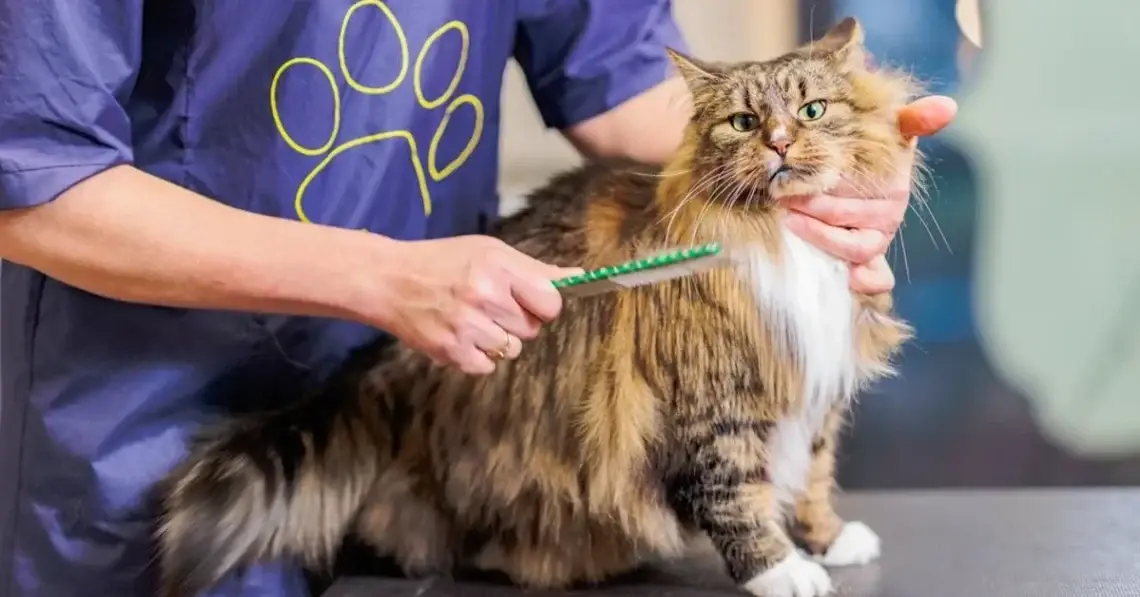
- Frequency: Brush your cat at least once a week, or daily for long-haired breeds.
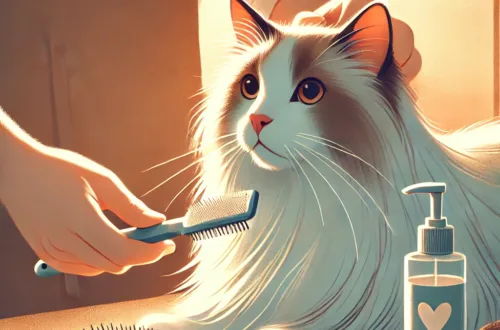
- Tools: Use a slicker brush or wide-toothed comb to remove loose fur and prevent tangles. For cats prone to matting, consider using an undercoat rake to target dead hair beneath the topcoat.
2. Bathing
- Occasional Baths: While cats are generally good at self-grooming, an occasional bath can help remove dirt and excess oils that contribute to matting. Use a cat-safe shampoo and ensure thorough rinsing.
- Drying: After bathing, towel dry your cat to prevent moisture from contributing to matting.
3. Watch for Health Issues
- Veterinary Checkups: Regular veterinary visits can help identify any underlying health issues that may affect grooming behavior. Skin conditions, allergies, and parasites should be addressed promptly to prevent matting.
- Diet and Weight Management: A balanced diet and maintaining a healthy weight can improve your cat’s overall health and grooming abilities.
4. Environment Management
- Reduce Stress: A calm and stress-free environment can encourage your cat to groom more effectively. Provide hiding spots and safe spaces for your cat to retreat if they feel overwhelmed.
- Limit Outdoor Access: If your cat spends time outdoors, they may pick up debris and dirt that can contribute to matting. Limiting outdoor access can help reduce this risk.
Dealing with Existing Mats
If your cat already has matted fur, here are some steps to safely address the issue:
1. Assess the Situation
- Severity: Determine the size and severity of the mats. Small, loose mats can be removed easily, while larger, tighter mats may require more effort or even professional help.
- Location: Check where the mats are located on your cat’s body. Mats near sensitive areas, like the armpits or belly, may require extra caution.
2. Grooming Tools
- Slicker Brush: Great for removing loose hair and breaking up smaller mats.
- Wide-Toothed Comb: Useful for detangling without pulling on the skin.
- Mat Splitter or Comb: These tools are specifically designed for cutting through mats without damaging the underlying fur.
3. Grooming Technique
- Gentle Approach: Always use a gentle touch to avoid hurting your cat. Start by calming your cat and ensuring they feel secure.
- Start from the Ends: Work on the edges of the mat first, gently pulling apart the tangled hair. Gradually work your way toward the center.
- Use Detangling Spray: If necessary, apply a cat-safe detangling spray to help loosen the mat and make grooming easier.
- Take Breaks: If your cat becomes anxious or stressed, take breaks and return to grooming later.
4. Seeking Professional Help
- When to Consult a Groomer: If the mats are severe, extensive, or causing pain to your cat, consider seeking help from a professional groomer. They have the experience and tools to safely remove mats without injuring your cat.
- Veterinary Assistance: If matting is accompanied by skin irritation or other health concerns, consult your veterinarian for a thorough evaluation.
The Importance of Positive Reinforcement
Throughout the grooming process, it’s important to create a positive experience for your cat. Here are some tips:
- Use Treats: Reward your cat with treats during and after grooming sessions to create a positive association with the process.
- Be Patient: Take your time and be patient. Some cats may be more sensitive to grooming than others, and rushing can lead to stress.
- Calm Environment: Create a calm grooming environment by using soft voices and gentle handling. Play soothing music or provide a favorite blanket to help your cat relax.
Conclusion
Dealing with matted fur in cats can be a challenging task, especially for long-haired breeds. However, with regular grooming, proper care, and a gentle approach, you can keep your cat’s coat healthy and free from mats. Remember that prevention is the best strategy, so establish a grooming routine that works for you and your feline companion. If you encounter severe mats or other grooming challenges, don’t hesitate to seek professional help. With patience and love, you can ensure your cat remains comfortable and beautiful.

You May Also Like
How to Handle Severely Matted Cat Hair: A Comprehensive Guide
Nail Trimming for Cats: A Comprehensive Guide to Keeping Your Feline’s Claws Healthy