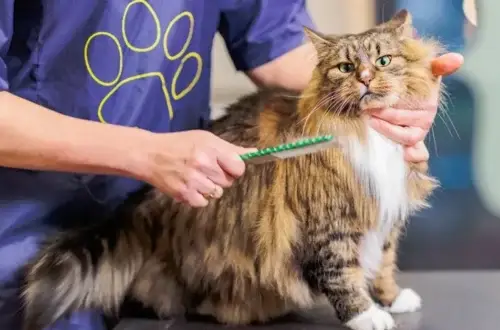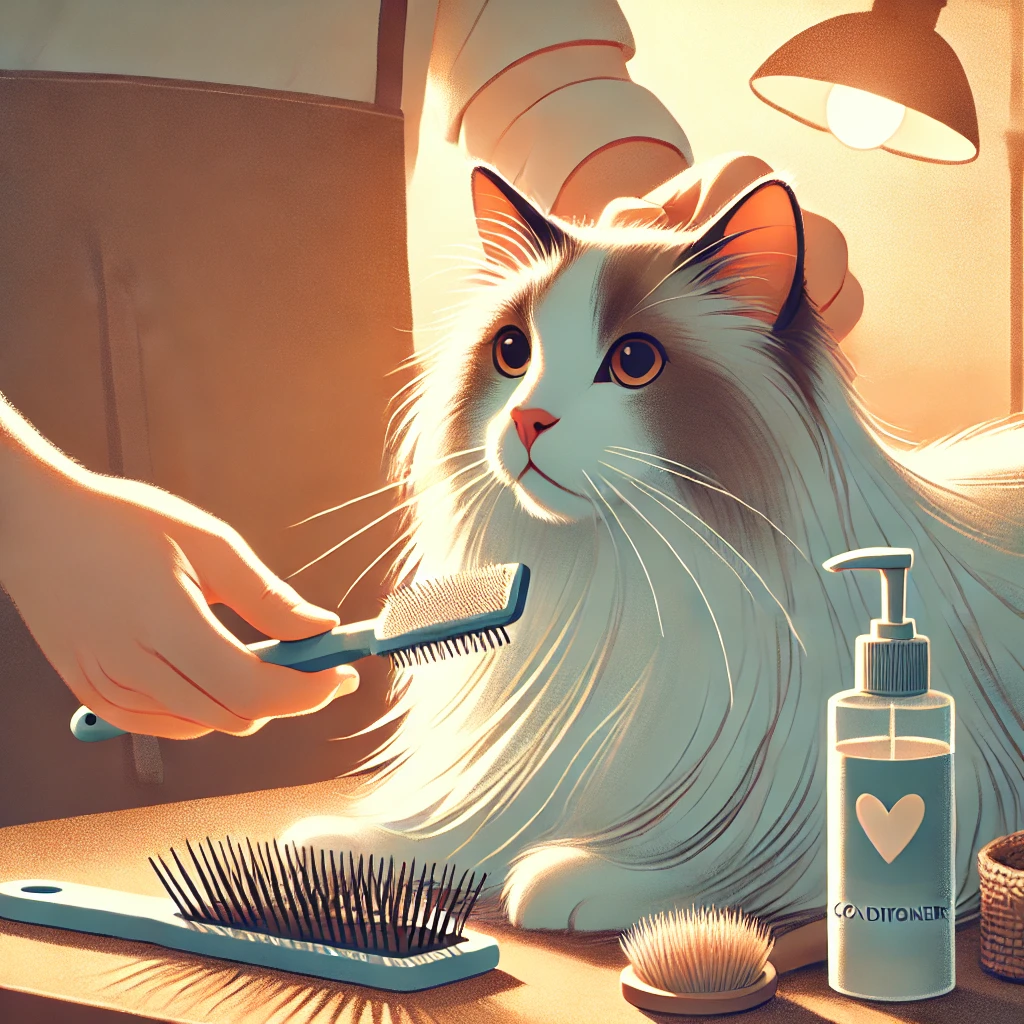
How to Fix Severely Matted Cat Hair
Introduction
Matted fur can be more than a cosmetic problem for cats—it can cause discomfort, skin issues, and even pain if left untreated. Severely matted hair can happen to any cat, but long-haired breeds are especially prone to it. Properly removing these mats requires care, patience, and the right techniques to avoid hurting the cat.
Understanding Matting and Why It Happens
Matting occurs when loose fur and dirt become entangled with surrounding hairs, creating tight clumps close to the skin. Common causes include:
- Lack of Regular Brushing: Cats with long or thick fur need frequent grooming to prevent tangles.
- Aging or Medical Issues: Older cats or cats with arthritis may struggle to groom themselves effectively.
- Shedding Seasons: Seasonal shedding can lead to matting, especially around areas where cats may have difficulty grooming, like the belly or hindquarters.
Steps to Safely Remove Matted Fur
- Assess the Severity of the Matting
Light matting can often be handled at home, but if mats are extremely tight, or close to the skin, it may be safer to seek professional grooming help to avoid hurting the cat. - Prepare the Cat and Create a Calm Environment
Cats can be sensitive to grooming, especially when mats are involved. Use a gentle approach to calm the cat, and consider having another person to help hold and reassure the cat. - Tools for De-matting
- Wide-tooth Comb for gently working through tangles
- Mat Splitter to break down large mats into smaller sections
- Scissors (used very carefully) for severe mats, but only if absolutely necessary
Specialized de-matting tools can make the process easier, but if you’re unfamiliar with them, professional guidance is recommended.
- Begin the De-matting Process
Start by gently detangling with a wide-tooth comb or de-matting tool. Hold the mat between your fingers and work from the tips of the fur toward the skin to minimize discomfort. For very tight mats, using a small amount of cornstarch can help ease the combing process. - Never Pull Directly on the Skin
Avoid pulling directly on the cat’s skin, as this can cause irritation. If the mat does not come loose after a few tries, it may need to be carefully cut out or shaved by a professional groomer. - Aftercare and Prevention
- Bathing with a cat-safe conditioner can make fur more manageable after de-matting, helping to prevent mats from reforming.
- Regular Brushing at least a few times a week helps prevent matting, especially during shedding seasons.
- Use Detangling Sprays for cats to keep fur soft and reduce friction.
When to Seek Professional Help
If mats are too close to the skin or cover a large area, it’s best to take the cat to a professional groomer. They can safely remove mats with the right tools, ensuring the cat stays comfortable and stress-free during the process.
Conclusion
Severe matting in cats requires a gentle approach and the right tools to avoid causing stress or harm. By using preventive grooming techniques and knowing when to seek help, you can keep your cat’s coat healthy and mat-free, enhancing their comfort and quality of life.
You May Also Like
How to Handle Severely Matted Cat Hair: A Comprehensive Guide
Nail Trimming for Cats: A Comprehensive Guide to Keeping Your Feline’s Claws Healthy