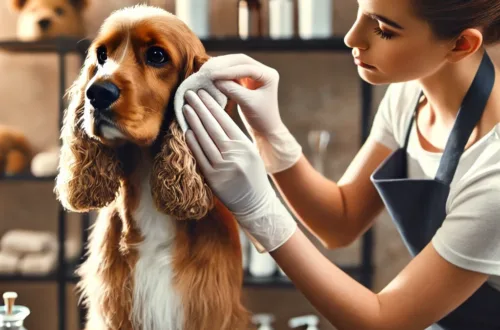
The Importance of Skin and Coat Maintenance for Pets
Introduction
A healthy coat and skin are essential indicators of a pet’s overall health. For groomers, understanding the various aspects of skin and coat maintenance goes beyond aesthetics—it contributes to a pet’s comfort, well-being, and resilience against external factors.
Key Components of Skin and Coat Health
- Nutrition and Its Effects on Coat Quality
Nutrition plays a crucial role in maintaining a healthy, shiny coat. Foods rich in omega-3 and omega-6 fatty acids, proteins, and vitamins A and E can make a notable difference. - Brushing Techniques for Different Coat Types
Brushing helps distribute natural oils across the coat, reduces matting, and removes debris. Explain brushing techniques specific to short, medium, and long-haired pets to ensure effective grooming practices. - Identifying Skin Issues Early
Groomers are often the first to notice skin abnormalities such as redness, inflammation, or patches of hair loss. Early detection can help owners take their pets for timely veterinary check-ups. - Hydration and Its Role in Skin Health
Proper hydration affects skin elasticity and coat luster. Encourage pet owners to ensure their pets are well-hydrated and explain how it impacts grooming. - Common Products for Skin and Coat Health
Explore shampoos, conditioners, and other topical treatments that groomers can recommend or use to improve coat quality and soothe the skin.
Conclusion
Skin and coat maintenance is not just about looks; it’s integral to a pet’s health. By educating pet owners about proper grooming practices and using the right techniques and products, groomers can contribute significantly to a pet’s overall wellness.


You May Also Like

How to Train Pets to Enjoy Grooming