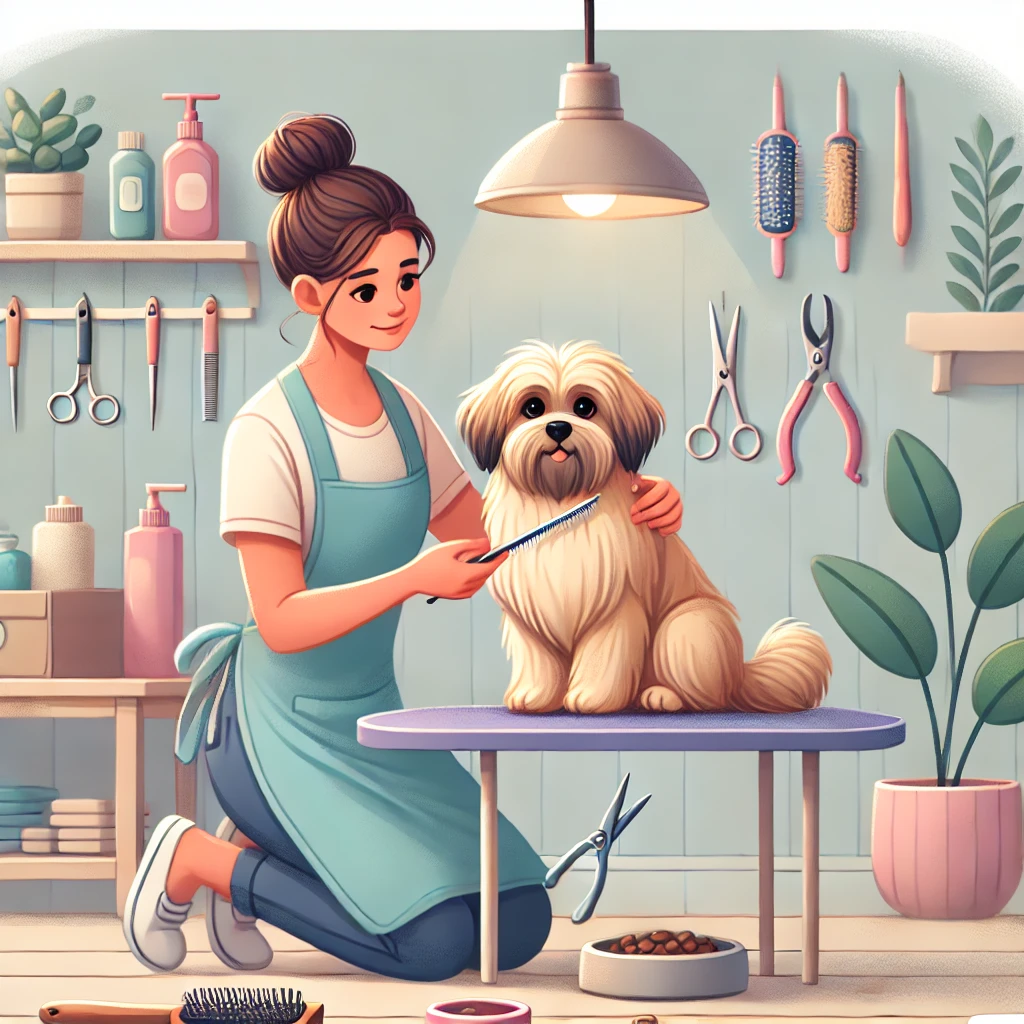
How to Train Pets to Enjoy Grooming
Training pets to enjoy grooming is both a rewarding and practical skill, as regular grooming is essential for their health, comfort, and well-being. Pets that are calm and cooperative during grooming are easier to handle, which reduces stress for both the pet and the groomer. This guide covers effective methods to gradually accustom pets to grooming routines, transforming it from a stressful event into a bonding experience.
1. Start Grooming Training Early
Introducing pets to grooming at a young age increases their tolerance and comfort over time:
- Puppies and Kittens: Begin basic handling as soon as they are comfortable. Lightly touch areas that will be groomed, such as paws, ears, and fur, to familiarize them with the sensation.
- Older Pets: Training can also work well for adult pets, though it may take more patience and time. Approach grooming slowly, offering rewards for calm behavior.
2. Use Positive Reinforcement
Positive reinforcement is an effective way to create a positive association with grooming:
- Reward Good Behavior: Give treats, praise, and petting when the pet allows grooming actions, such as brushing or nail trimming. This reinforces that grooming is a positive experience.
- Break It Down: Reward the pet for each small grooming step they tolerate. For example, reward them for sitting still during brushing, and then again for letting you hold their paws.
3. Create a Calm Environment
A quiet, stress-free environment can reduce anxiety and make grooming sessions more enjoyable:
- Choose a Comfortable Location: Use a soft mat or surface where the pet feels secure. Groom in a familiar space that the pet associates with safety.
- Calming Aids: Use calming scents (like lavender) or soothing background music. Some pets respond well to gentle music or sounds specifically designed to calm them.
4. Introduce Grooming Tools Gradually
Familiarizing pets with grooming tools can alleviate fear and build trust:
- Show the Tools: Let the pet sniff and inspect each tool, such as brushes, clippers, and nail trimmers, without using them initially.
- Desensitization: Gradually get the pet used to the noise and feel of each tool. For example, turn on clippers near the pet but don’t touch them with it immediately. Allow them to adjust to the sound before attempting any grooming.
5. Keep Sessions Short and Positive
Short, positive grooming sessions help prevent pets from becoming overwhelmed:
- Start Small: Initially, limit sessions to just a few minutes, especially with sensitive pets. This helps them stay calm and comfortable.
- Know When to Stop: If the pet shows signs of stress (such as shaking, growling, or trying to escape), it’s best to stop and try again later. Forcing a session can create negative associations.
6. Practice Gentle Touch
Handling pets gently but confidently makes them feel secure during grooming:
- Gentle Restraint: Use light, calming touch rather than firm restraint. Hold paws gently or use light pressure for nail trimming. Never use force, as this can make the pet fearful.
- Practice Handling Paws and Face: Many pets dislike having their paws or faces touched. Practice by gently touching these areas and offering a reward for calm behavior.
7. Train for Specific Grooming Tasks
For complex grooming tasks, such as nail trimming or bathing, use step-by-step training to reduce anxiety:
- Nail Trimming: Get the pet comfortable with having their paws held first, then introduce the nail trimmer. Reward them for allowing you to hold the trimmer near their paws before actually trimming.
- Brushing: Start with gentle strokes on areas the pet enjoys being touched. Gradually work up to more sensitive areas.
- Bathing: Let the pet become familiar with the bathing area before introducing water. Start with a small amount of lukewarm water and reward them for staying calm.
8. Observe and Respect the Pet’s Limits
Not every pet will enjoy every aspect of grooming, and some may have specific triggers:
- Recognize Stress Signals: Watch for signs of discomfort, such as lip-licking, yawning, or turning away. These indicate the pet may be feeling stressed.
- Adjust the Routine: Modify the grooming session to suit the pet’s temperament. Some pets may do better with frequent, short grooming sessions rather than one long session.
9. Be Patient and Consistent
Consistency and patience are key to helping pets accept grooming as part of their routine:
- Regular Routine: Regular, short grooming sessions are more effective than occasional, lengthy ones. Aim to groom weekly for maintenance and to build routine.
- Celebrate Progress: Acknowledge and reward small steps forward, even if the pet only allows brief handling at first. Over time, they will grow more accustomed to the routine.
Conclusion
Training pets to enjoy grooming takes patience, consistency, and positive reinforcement, but the results are well worth the effort. With gentle handling, rewards, and gradual desensitization to grooming tools and routines, pets can learn to view grooming as a comfortable, even enjoyable, experience. Building trust and creating a calm environment are key steps in ensuring that grooming becomes a positive, stress-free experience for pets and owners alike.
You May Also Like
One Comment
XRduarm
Hello.
Good cheer to all on this beautiful day!!!!!
Good luck 🙂