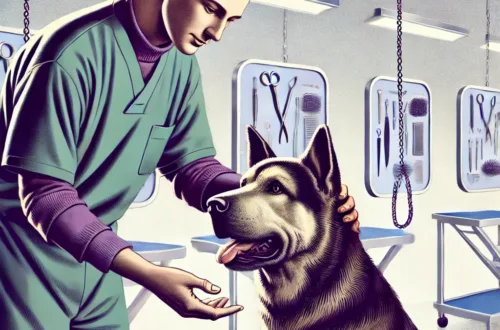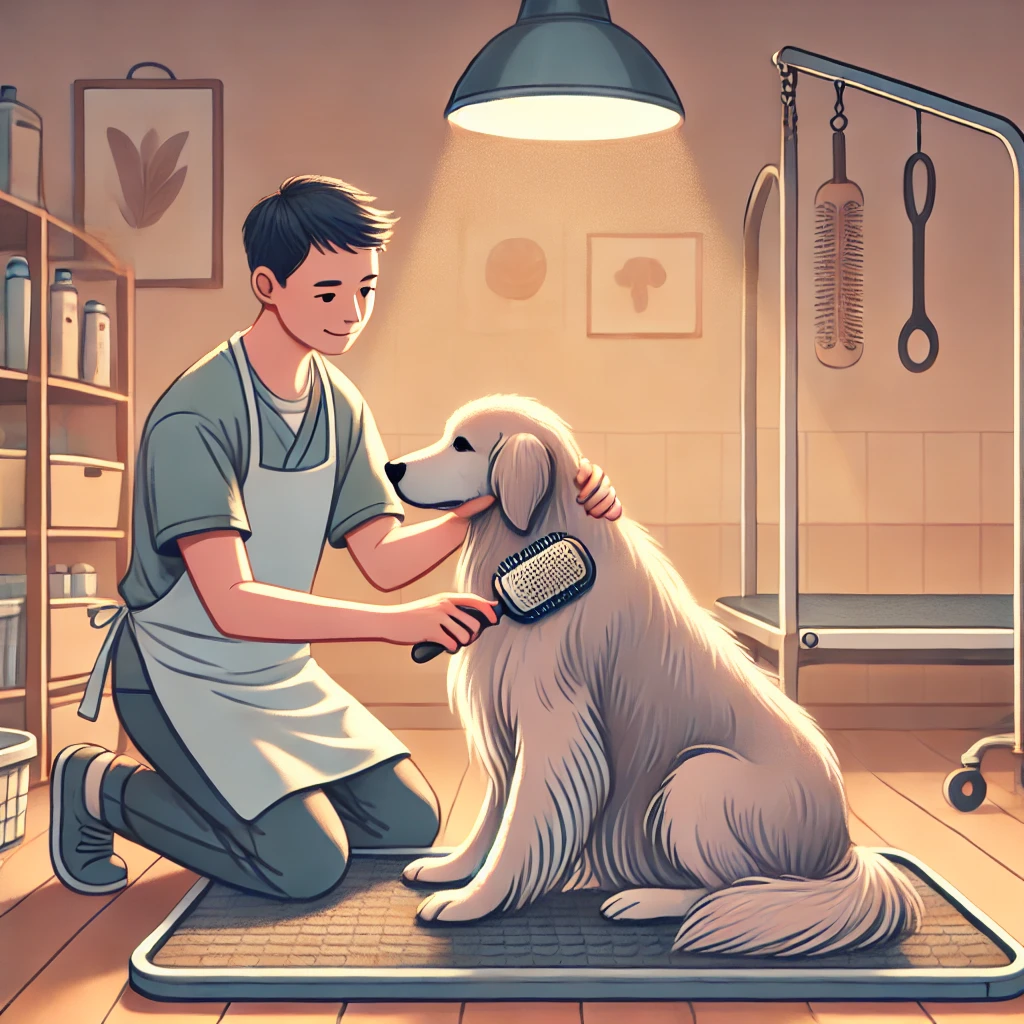
Grooming Techniques for Senior Dogs
As dogs age, their grooming needs often increase and require more delicate handling due to potential health issues like arthritis, thinning skin, and decreased mobility. Here’s a guide on best grooming practices to keep senior dogs comfortable and well-maintained.
1. Prepare for Comfort and Safety
- Use Supportive Mats: Place non-slip mats in grooming areas to prevent slipping.
- Elevated Tables: Use an elevated grooming table with a comfortable surface to reduce stress on the dog’s joints.
- Gentle Restraints: Avoid strong restraints; instead, use soft supports to keep them secure without causing strain.
2. Adjust Bathing Techniques
- Water Temperature: Use lukewarm water to avoid causing discomfort due to sensitivity to temperature.
- Gentle Shampoos: Choose mild, hypoallergenic shampoos specifically for sensitive skin. Formulas with moisturizing properties can help if their skin is dry.
- Dry Carefully: Towel-dry gently and consider using a low-heat hairdryer on the lowest setting to prevent chilling and excessive stress.
3. Nail Trimming for Limited Mobility
- Use a Comfortable Grip: Choose nail trimmers with comfortable grips to reduce pressure and avoid injuries.
- Check Regularly: Aging dogs may be less active, so their nails might grow longer than expected. Frequent, gentle trims prevent discomfort from overgrown nails.
4. Brushing and Coat Maintenance
- Use Soft Brushes: Senior dogs may have more fragile skin, so a soft bristle or rubber brush is ideal for gently removing dead hair without irritation.
- Focus on Comfort: Senior dogs may be less tolerant of long sessions. Break up brushing into shorter periods if the dog seems restless or uncomfortable.
- Check for Mats and Tangles: Matted fur can become more common if they are less active. Regular, gentle brushing helps maintain a healthy coat without pulling on their skin.
5. Eye and Ear Care
- Keep Eyes Clean: Older dogs may have more discharge around their eyes. Use a damp cotton pad to wipe away any build-up gently.
- Ear Cleaning: Senior dogs are more prone to ear infections. Use a vet-recommended ear cleaner and avoid going deep into the ear canal, which could cause discomfort.
6. Dental Hygiene
- Regular Brushing: Use a dog-safe toothbrush and toothpaste to maintain oral health. Since some dogs are resistant to brushing, you can try using dental wipes or a finger brush for more comfort.
- Use Chewable Dental Treats: Dental treats designed for older dogs can support oral health if they resist traditional brushing methods.
7. Monitor for Health Issues During Grooming
- Check for Lumps: Regularly examine the dog for new lumps or growths and inform the veterinarian if anything unusual appears.
- Look for Joint Stiffness: Watch for signs of arthritis or discomfort. Massage or physical therapy can sometimes help relieve discomfort during grooming.
Conclusion
Grooming senior dogs requires patience, understanding, and a gentle touch. With proper adjustments, regular grooming can be a pleasant and beneficial routine for aging pets, improving their overall health and comfort.


You May Also Like
Grooming for Disabled Pets
Calming Techniques for Stressed Pets