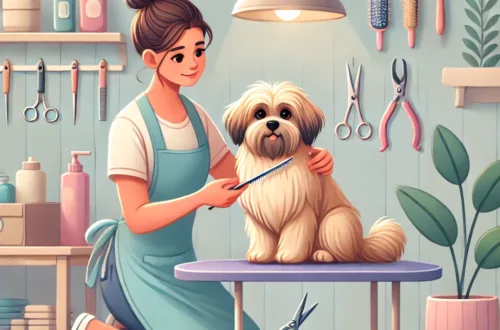
All About Grooming: A Comprehensive Guide
All About Grooming: A Comprehensive Guide
Grooming, in the context of pets, goes beyond just making our furry companions look good. It plays a critical role in their overall health and well-being. Whether you are a pet owner or a professional groomer, understanding the fundamentals of grooming helps to ensure the physical health of pets while also contributing to their comfort and happiness. This article explores the importance of grooming, essential tools and techniques, and current trends shaping the grooming industry.
1. The Importance of Regular Grooming
Grooming is essential for maintaining a pet’s hygiene and comfort. Regular grooming can:
- Prevent skin infections: Pets, especially long-haired breeds, can develop matted fur, which traps moisture and dirt, leading to skin irritations and infections.
- Reduce shedding: Brushing helps remove loose hair, reducing shedding and preventing hair from being ingested (which could lead to digestive issues).
- Identify health problems early: Regular grooming allows you to check for signs of fleas, ticks, rashes, or lumps that may need medical attention.
- Strengthen the bond: Grooming can be a bonding activity between a pet and its owner, offering comfort and a sense of care.
2. Essential Grooming Tools and Their Uses
Different breeds and types of pets require various grooming tools to ensure they’re well-groomed. Common tools include:
- Brushes and Combs: Essential for detangling fur, reducing shedding, and stimulating natural oils that promote a healthy coat.
- Slicker brushes are ideal for dogs with thick coats.
- Bristle brushes work well for short-haired pets.
- Nail Clippers and Grinders: Overgrown nails can cause discomfort or lead to infections. Keeping them trimmed is crucial.
- Shampoo and Conditioners: Special pet-formulated shampoos maintain skin health and cleanliness without causing irritation. Some shampoos target specific issues like allergies or fleas.
- Ear Cleaners: Regular ear cleaning helps prevent infections, especially in breeds prone to ear issues like Cocker Spaniels and Poodles.
- Clippers and Scissors: These tools are used for trimming and styling coats, particularly for pets that need regular haircuts (like Poodles or Bichon Frisés).
3. Grooming Techniques for Different Breeds
Different breeds have unique grooming requirements based on their coat type, skin sensitivity, and lifestyle. Here are some key considerations:
- Double-Coated Breeds (e.g., Huskies, German Shepherds): These breeds shed their undercoat twice a year. Regular brushing is essential to remove dead hair and prevent matting.
- Short-Haired Breeds (e.g., Boxers, Beagles): While they shed less, short-haired dogs still need regular brushing to remove dead hair and promote healthy skin.
- Curly-Coated Breeds (e.g., Poodles, Bichon Frisés): These dogs require regular trims and brushing to prevent matting. Professional grooming is often recommended every 4-6 weeks.
- Long-Haired Breeds (e.g., Shih Tzus, Yorkshire Terriers): These breeds need daily brushing to avoid tangles and matting. Regular trims also help maintain a neat appearance.
4. Trends in the Grooming Industry
Pet grooming is not static, and trends continuously emerge as more attention is given to pet care. Some popular trends include:
- Eco-Friendly Grooming Products: As people become more environmentally conscious, there is a rise in demand for organic, chemical-free shampoos, conditioners, and grooming tools.
- Mobile Grooming Services: Convenience is key for many pet owners, leading to a growing popularity of mobile grooming services that bring professional grooming to your doorstep.
- Creative Grooming: Beyond basic grooming, creative grooming (such as dyeing, fur sculpting, and nail art) is becoming popular, especially in competitions and with owners looking for a fun way to express their pet’s personality.
- Luxury Grooming Services: High-end grooming salons now offer spa-like experiences for pets, including massages, aromatherapy, and even facials, contributing to the overall wellness of the pet.
5. Professional Grooming: When and Why?
While regular at-home grooming is important, professional grooming provides a level of care that is often difficult to achieve on your own. Professional groomers are trained to handle difficult grooming tasks, such as nail trimming, anal gland expression, and ear cleaning. They can also give breed-specific cuts and handle any matting or other complications. It’s generally recommended to visit a professional groomer every 6-8 weeks, depending on your pet’s breed and coat type.
Conclusion
Grooming is much more than just keeping your pet looking cute. It’s a vital part of maintaining their overall health and happiness. Whether you prefer to groom your pet at home or visit a professional, understanding the importance of grooming, the right tools, and the needs of your specific pet is essential. With a growing emphasis on the health and wellness of pets, the grooming industry continues to evolve, offering innovative products and services to meet the unique needs of each pet.
By embracing regular grooming practices, you not only improve your pet’s quality of life but also strengthen the bond you share with them.
You May Also Like
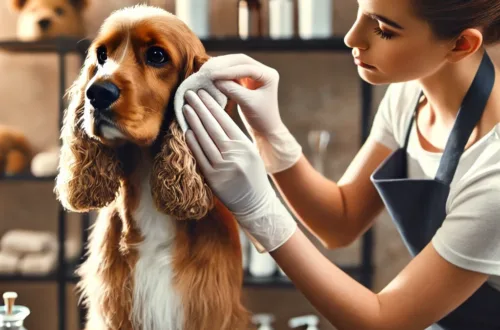
The Role of Regular Ear Cleaning in Pet Health