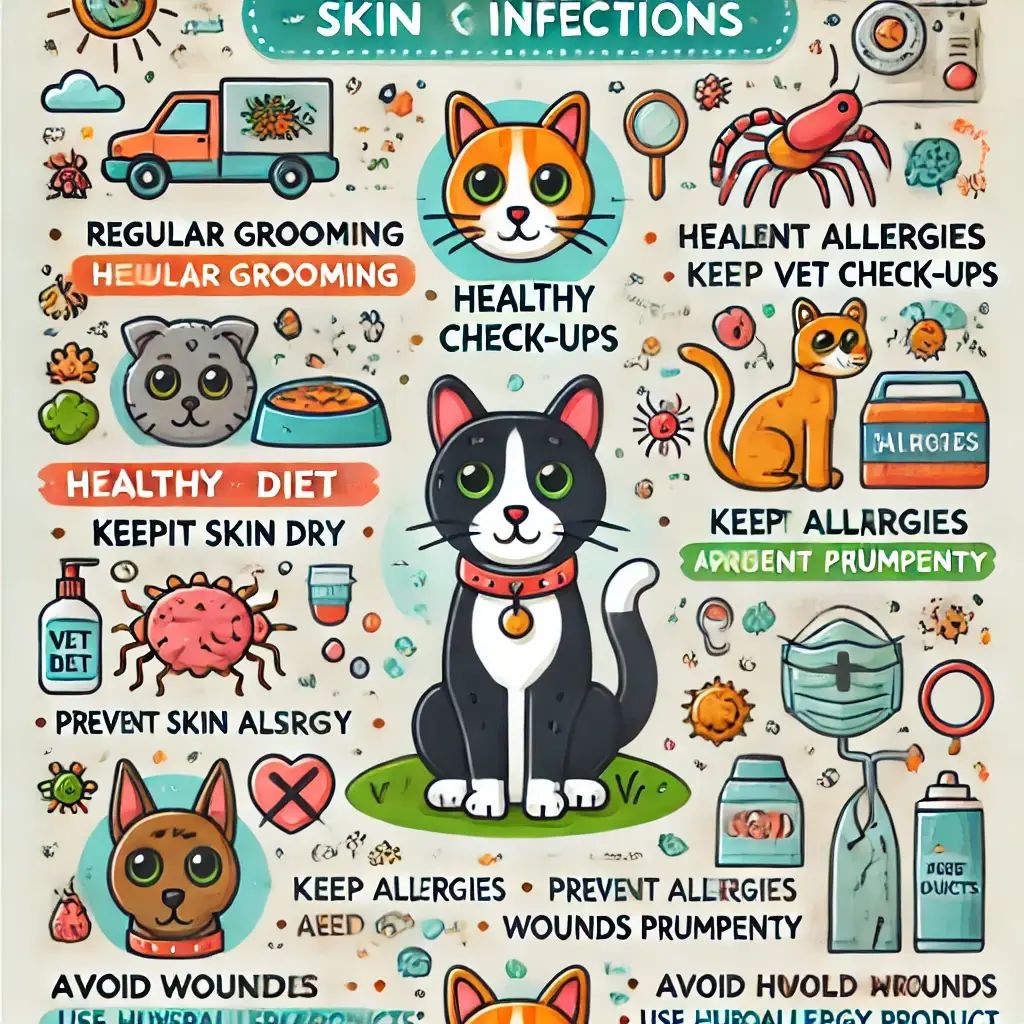
How to Prevent Skin Infections in Cats and Dogs
Skin infections in pets, such as cats and dogs, can be a common concern for pet owners. These infections can lead to discomfort, pain, and more serious health issues if left untreated. Understanding how to prevent skin infections is crucial for maintaining your pet’s overall health and happiness. This article will explore the causes of skin infections, preventive measures, and tips for care.
Understanding Skin Infections
Causes of Skin Infections
Skin infections can occur due to various factors, including:
- Bacteria and Yeast: The skin is home to numerous bacteria and yeast. When there is an imbalance, such as due to allergies or a compromised immune system, these organisms can multiply and lead to infections.
- Parasites: Fleas, ticks, and mites can cause irritation and inflammation, leading to secondary infections.
- Allergies: Allergic reactions to food, pollen, or other environmental factors can cause skin irritation, making pets more susceptible to infections.
- Wounds or Scratches: Any break in the skin, such as cuts or abrasions, can become infected if not properly cared for.
Signs of Skin Infections
Pet owners should be vigilant for the following signs of skin infections:
- Excessive scratching or licking
- Redness or inflammation of the skin
- Hair loss or patchy fur
- Odor from the skin
- Discharge or crusting
- Changes in behavior, such as increased irritability
Tips for Preventing Skin Infections
1. Regular Grooming
Regular grooming helps to keep your pet’s skin and coat healthy. Brush your pet regularly to remove dirt, debris, and loose hair, which can contribute to skin infections. Bathing your pet with a gentle, pet-safe shampoo can also help reduce the buildup of allergens and bacteria.
2. Maintain a Healthy Diet
A balanced diet rich in essential nutrients can support your pet’s immune system and skin health. Consult your veterinarian to ensure your pet is getting the right nutrients, including omega-3 fatty acids, which can improve skin condition.
3. Regular Vet Check-Ups
Routine veterinary check-ups are essential for monitoring your pet’s overall health. Your veterinarian can identify potential skin issues early on and provide guidance on prevention and care.
4. Manage Allergies
If your pet has known allergies, work with your veterinarian to develop a management plan. This may include dietary changes, medication, or environmental modifications to reduce exposure to allergens.
5. Keep the Skin Dry
Moisture can promote bacterial and yeast growth on the skin. Ensure your pet is thoroughly dried after baths and avoid allowing them to swim in dirty water. If your pet gets wet in the rain, dry them off promptly.
6. Prevent Parasites
Flea and tick prevention is crucial in reducing the risk of skin infections. Use veterinarian-recommended preventive products and regularly check your pet for parasites, especially after outdoor activities.
7. Promptly Address Wounds
If your pet has a cut or scrape, clean it immediately and monitor it for signs of infection. Use a pet-safe antiseptic and keep the area clean. If the wound shows signs of infection, consult your veterinarian for further treatment.
8. Avoid Over-Bathing
While regular grooming is essential, over-bathing can strip the skin of its natural oils, leading to dryness and irritation. Limit baths to once a month unless your veterinarian recommends otherwise.
9. Use Hypoallergenic Products
For pets with sensitive skin or allergies, consider using hypoallergenic shampoos and grooming products. These can help minimize irritation and reduce the risk of infections.
Conclusion
Preventing skin infections in cats and dogs requires proactive care and attention. By implementing regular grooming, maintaining a healthy diet, managing allergies, and ensuring prompt treatment of wounds, pet owners can significantly reduce the risk of skin infections. Remember to consult your veterinarian if you notice any signs of infection or if you have concerns about your pet’s skin health. With proper care and attention, you can help keep your furry friend comfortable and healthy.
You May Also Like