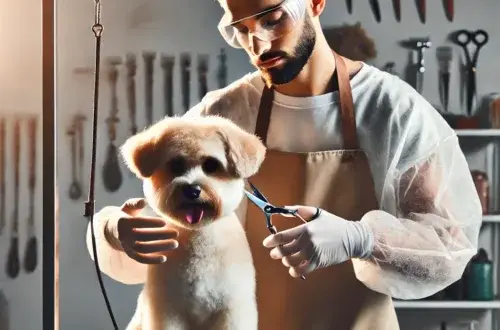
Grooming for Pets with Medical Conditions
Grooming pets with medical conditions requires extra care and attention to ensure their comfort and safety. Whether the condition involves skin issues, arthritis, or other chronic illnesses, understanding how to approach grooming for these pets can significantly enhance their well-being.
1. Preparing for Grooming
- Consult a Veterinarian: Before beginning any grooming routine, consult with a veterinarian to understand the pet’s specific needs and any restrictions.
- Create a Stress-Free Environment: Use a quiet, comfortable space for grooming to minimize anxiety. Soft lighting and calming music can help.
- Use Appropriate Tools: Invest in specialized tools, such as soft brushes or nail clippers designed for sensitive pets.
2. Grooming Techniques for Specific Conditions
- Skin Conditions
- Use hypoallergenic shampoos recommended by a veterinarian.
- Avoid harsh brushes that may irritate sensitive skin.
- Moisturize dry skin with vet-approved products.
- Arthritis or Mobility Issues
- Place the pet on a non-slip mat to avoid discomfort during grooming.
- Groom in short sessions to prevent fatigue.
- Use gentle massage techniques to soothe joints while brushing.
- Heart or Respiratory Issues
- Avoid stress and keep sessions short.
- Ensure the pet is in a well-ventilated area.
- Obesity
- Pay attention to areas prone to matting, such as the belly and underarms.
- Handle gently to avoid exerting pressure on joints.
- Senior Pets
- Use soft brushes and warm water to ensure comfort during grooming.
- Be extra cautious when handling fragile skin and bones.
3. Tips for Safe Grooming
- Monitor for Signs of Discomfort: Stop grooming if the pet appears distressed or in pain.
- Avoid Over-Bathing: Too many baths can dry out the skin, especially in pets with conditions like eczema.
- Use Disinfected Tools: Always sanitize grooming tools to prevent infections.
4. Professional Grooming Options
For pets with severe medical conditions, professional groomers experienced in handling special needs pets can be a valuable resource. They have the training to recognize stress signs and provide specialized care.
5. Grooming as Therapy
In some cases, grooming can serve as a therapeutic activity. The gentle touch can relax pets, while proper grooming prevents complications like infections or matting that could exacerbate their condition.
Conclusion
Grooming pets with medical conditions is a blend of patience, knowledge, and compassion. By tailoring your approach to their specific needs, you can keep them clean, comfortable, and happy while fostering a strong bond.
You May Also Like