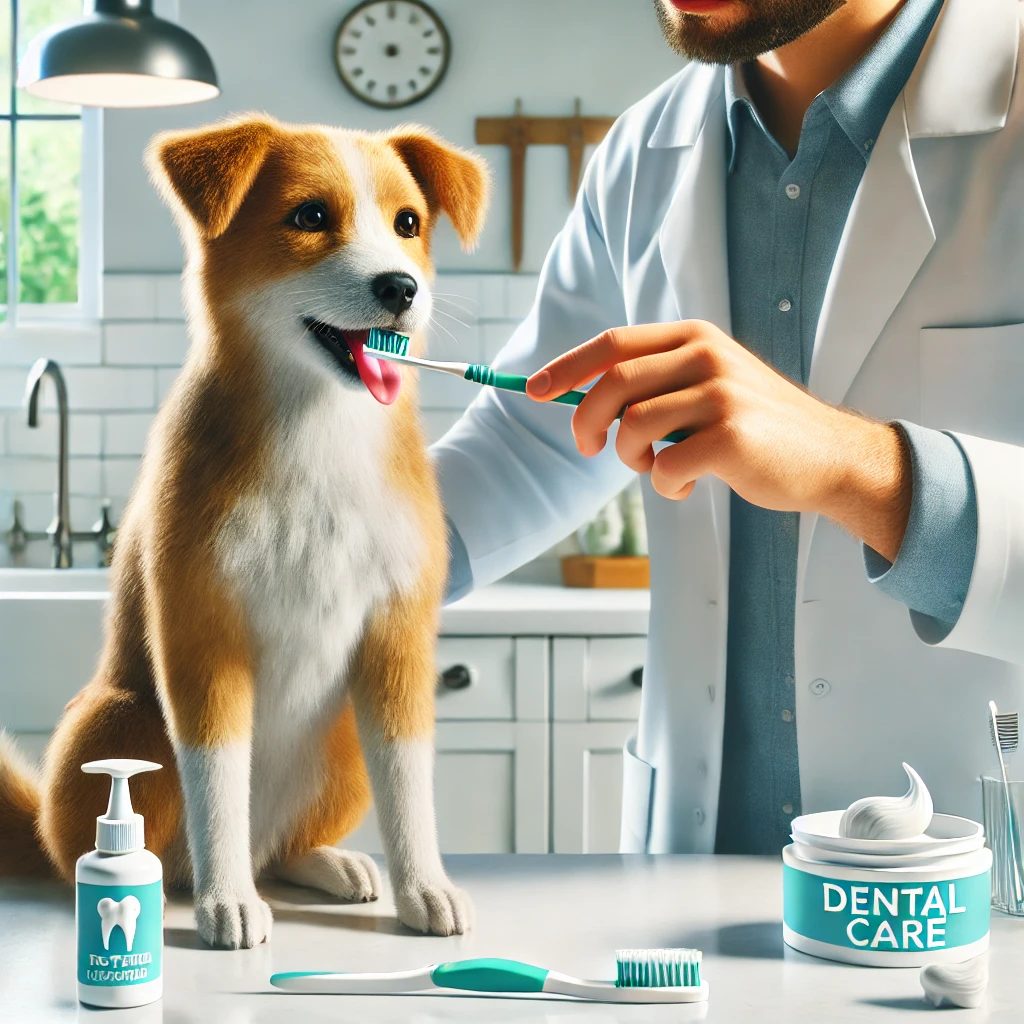
The Importance of Regular Brushing for Pets
Brushing is one of the simplest yet most effective ways to maintain a pet’s coat and overall health. Often overlooked, this grooming task has numerous benefits beyond just keeping your pet looking good. Regular brushing helps prevent common issues like matting, reduces shedding, and strengthens the bond between pet and owner. In this article, we’ll explore why brushing is essential and how to do it effectively.
Why Regular Brushing Matters
- Prevents Matting
Matting occurs when loose fur tangles and clumps together, causing discomfort and even skin issues. Brushing removes loose fur and prevents these tangles from forming, especially in long-haired breeds. - Reduces Shedding
Regular brushing helps capture loose hair before it ends up on furniture or clothing. For heavy shedders, such as Labrador Retrievers, consistent brushing minimizes the spread of fur around the house. - Improves Skin Health
Brushing stimulates the skin and distributes natural oils throughout the coat, promoting a healthy shine and reducing dryness or irritation. - Early Detection of Issues
Grooming sessions allow you to check for lumps, bumps, parasites, or skin abnormalities. Spotting these early can prevent larger health problems. - Strengthens the Bond
Brushing provides an opportunity for one-on-one time with your pet, strengthening trust and affection. Pets often enjoy the sensation when it’s done gently.
How to Brush Effectivel
- Choose the Right Tool
- Slicker Brush: Best for long-haired breeds and removing mats.
- Deshedding Tool: Ideal for double-coated breeds during shedding seasons.
- Rubber Brush or Mitt: Gentle option for short-haired pets.
- Brush in Sections
Work in small sections to ensure you cover the entire coat. Start at the neck and move toward the tail, brushing in the direction of hair growth. - Be Gentle
Use light pressure to avoid irritating the skin. For mats or tangles, hold the fur at the base to minimize pulling. - Frequency Matters
- Long-Haired Breeds: Daily brushing is ideal.
- Short-Haired Breeds: Once or twice a week.
- Shedding Seasons: Increase frequency for all breeds.
- Reward Good Behavior
Make brushing a positive experience by offering treats or praise after each session.
Common Mistakes to Avoid
- Skipping the Tail and Belly: These areas are prone to matting but are often overlooked.
- Using the Wrong Brush: The wrong tool can cause discomfort or be ineffective.
- Rushing the Process: Take your time to ensure a thorough and enjoyable session.
Conclusion
Brushing is a simple but powerful way to maintain your pet’s coat and skin health while building a closer bond. With the right tools and techniques, you can turn this routine task into a moment of care and connection.


You May Also Like