Grooming for Disabled Pets
Caring for disabled pets requires special attention and adaptation to their unique needs, especially when it comes to grooming. Grooming isn’t just about aesthetics—it’s essential for their hygiene, comfort, and overall well-being. Disabled pets, whether they have mobility issues, sensory impairments, or chronic health conditions, need patient handling and customized grooming routines.
1. The Importance of Grooming Disabled Pets
- Preventing Skin Problems: Regular grooming helps prevent skin infections, matting, and sores, which can be more common in pets with limited mobility.
- Improving Comfort: Grooming keeps their coat clean and reduces discomfort caused by dirt and debris.
- Building Trust: Gentle grooming sessions can be a bonding experience, providing emotional comfort to the pet.
- Monitoring Health: Grooming is an opportunity to check for pressure sores, wounds, or other issues specific to disabled pets.
2. Tailoring Grooming Routines
a) Mobility-Impaired Pets
Pets with limited mobility may struggle to clean themselves, making grooming critical.
- Brushing: Regularly brush to remove loose fur and prevent matting, especially in areas where the pet rests frequently.
- Cleaning: Use pet-safe wipes to clean hard-to-reach areas, such as under the tail or belly.
- Skin Care: Apply vet-recommended balms to prevent dryness or irritation caused by prolonged lying down.
b) Blind or Deaf Pets
Sensory-impaired pets rely on other senses and can be startled easily.
- Create Routine: Always groom in the same sequence, so the pet learns what to expect.
- Use Cues: For blind pets, use voice cues; for deaf pets, use touch signals to guide them.
c) Pets with Chronic Conditions
Some pets may have conditions like arthritis or neurological disorders.
- Gentle Handling: Support their body and avoid putting strain on painful joints.
- Short Sessions: Break grooming into shorter sessions to prevent stress or fatigue.
3. Essential Grooming Tools
- Soft Brushes: Suitable for delicate or sensitive skin.
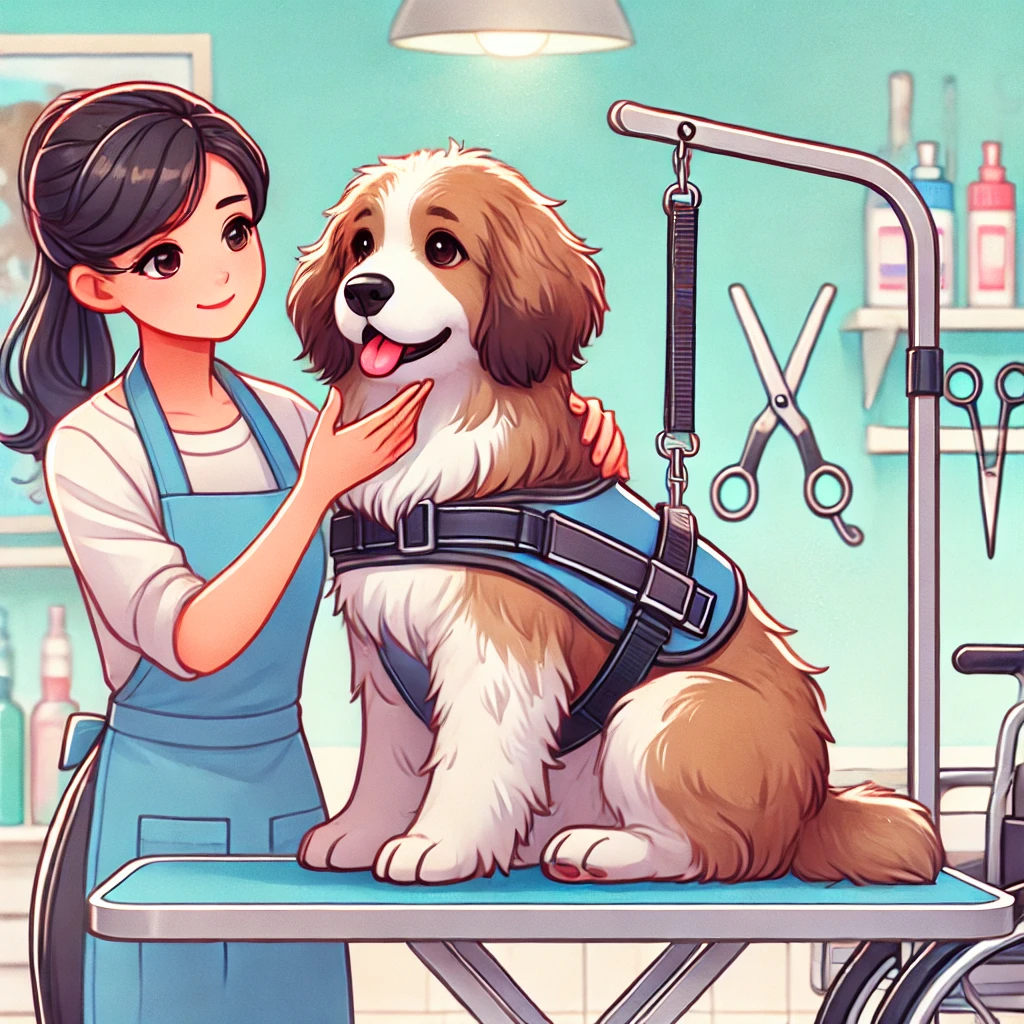
- Non-Slip Mats: Provide stability for pets with mobility challenges.
- Pet Wipes: For easy cleaning without requiring a full bath.
- Nail Grinders: Quieter and gentler on arthritic paws compared to clippers.
4. Tips for Stress-Free Grooming
- Prepare the Environment: Choose a quiet and comfortable space with minimal distractions.
- Support the Pet: Use rolled towels or pillows to support their body and reduce pressure on sore areas.
- Use Treats: Offer rewards to make the experience positive and calming.
- Be Patient: Allow breaks during grooming to avoid overwhelming the pet.
5. When to Seek Professional Help
For complex grooming needs, such as trimming thick coats or cleaning sensitive areas, consider professional groomers experienced in handling disabled pets. Ensure they have the necessary training and facilities to accommodate your pet’s condition.
6. Common Mistakes to Avoid
- Rushing the Process: Disabled pets may need more time and care during grooming.
- Using Harsh Products: Always choose hypoallergenic and vet-approved grooming products.
- Ignoring Signs of Discomfort: Stop grooming if the pet shows signs of stress or pain and consult a veterinarian if necessary.
Conclusion
Grooming a disabled pet requires compassion, adaptability, and patience. By customizing routines to meet their specific needs, you can ensure their comfort and happiness while strengthening the bond between you and your pet.

You May Also Like
Grooming Techniques for Senior Dogs
Handling Aggressive Pets in Grooming