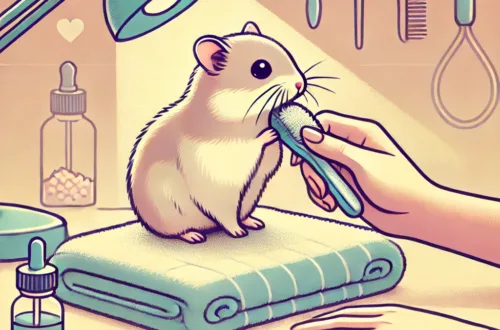
Reptile Care and Grooming
Reptiles are unique pets that require specialized care to ensure their health and well-being. While grooming for reptiles differs significantly from traditional grooming practices for cats or dogs, it is equally essential for their health. Here’s a comprehensive guide to understanding reptile grooming and how to keep your scaly companions in the best condition.
1. Importance of Reptile Grooming
Reptiles have specific grooming needs that help maintain their skin, scales, and overall hygiene. Neglecting these can lead to health problems, including infections, shedding issues, and stress.
2. Key Grooming Practices
a) Shedding Assistance:
Reptiles, such as snakes and lizards, periodically shed their skin. Ensuring proper humidity levels in their enclosure can ease this process. If remnants of the old skin remain, particularly around the eyes or toes, gently assist using a damp cloth.
b) Nail and Claw Care:
For reptiles like iguanas or geckos, overgrown claws can cause discomfort. Use specialized reptile nail clippers to trim them carefully, ensuring you avoid the quick.
c) Bathing:
Reptiles benefit from occasional baths, especially species prone to shedding. A shallow lukewarm bath can hydrate their skin and help remove debris. Ensure the water level is appropriate for their size and species.
d) Shell Maintenance (For Turtles and Tortoises):
Turtles and tortoises need clean, algae-free shells. Use a soft brush to clean their shells gently, avoiding harsh chemicals.
e) Eye and Mouth Hygiene:
Reptiles can sometimes develop discharge around the eyes or mouth. Regular inspections and cleaning with a reptile-safe solution are crucial.
3. Enclosure Cleanliness
Keeping a clean habitat is a vital aspect of reptile grooming. Regularly remove waste, uneaten food, and shed skin to prevent bacteria buildup. Sterilize the habitat and accessories periodically to maintain a healthy environment.
4. Tools and Products for Reptile Grooming
- Soft Brushes and Cloths: Gentle tools for cleaning scales or shells.
- Reptile Nail Clippers: Designed to trim small claws safely.
- Humidifiers: Maintain ideal humidity levels for shedding reptiles.
- Reptile-Safe Cleaners: For cleaning the habitat and accessories.
5. Signs Your Reptile Needs Grooming Attention
- Difficulty shedding skin or retained shed.
- Overgrown nails affecting movement.
- Build-up of dirt or algae on shells.
- Unusual discharge or foul odors.
6. Tips for Safe Grooming
- Always handle your reptile gently to avoid stress or injury.
- Research your reptile’s specific needs; not all grooming practices apply universally.
- Ensure the tools you use are designed for reptiles and safe for their unique physiology.
- Consult a reptile veterinarian for grooming issues you cannot handle at home.
Conclusion
Grooming reptiles is an integral part of responsible pet ownership. By understanding their unique needs and providing proper care, you ensure their health, happiness, and longevity. Incorporate regular grooming practices into your reptile care routine to keep your scaly companion thriving.