Pet Health and Hygiene: Essential Tips for a Happy, Healthy Life
Maintaining the health and hygiene of your pet is crucial for their overall well-being and longevity. Just like humans, pets require regular grooming, medical care, and a healthy lifestyle to thrive. Here, we explore the key aspects of pet health and hygiene, including routine grooming, dental care, proper nutrition, and the importance of preventive medical care.
1. Routine Grooming
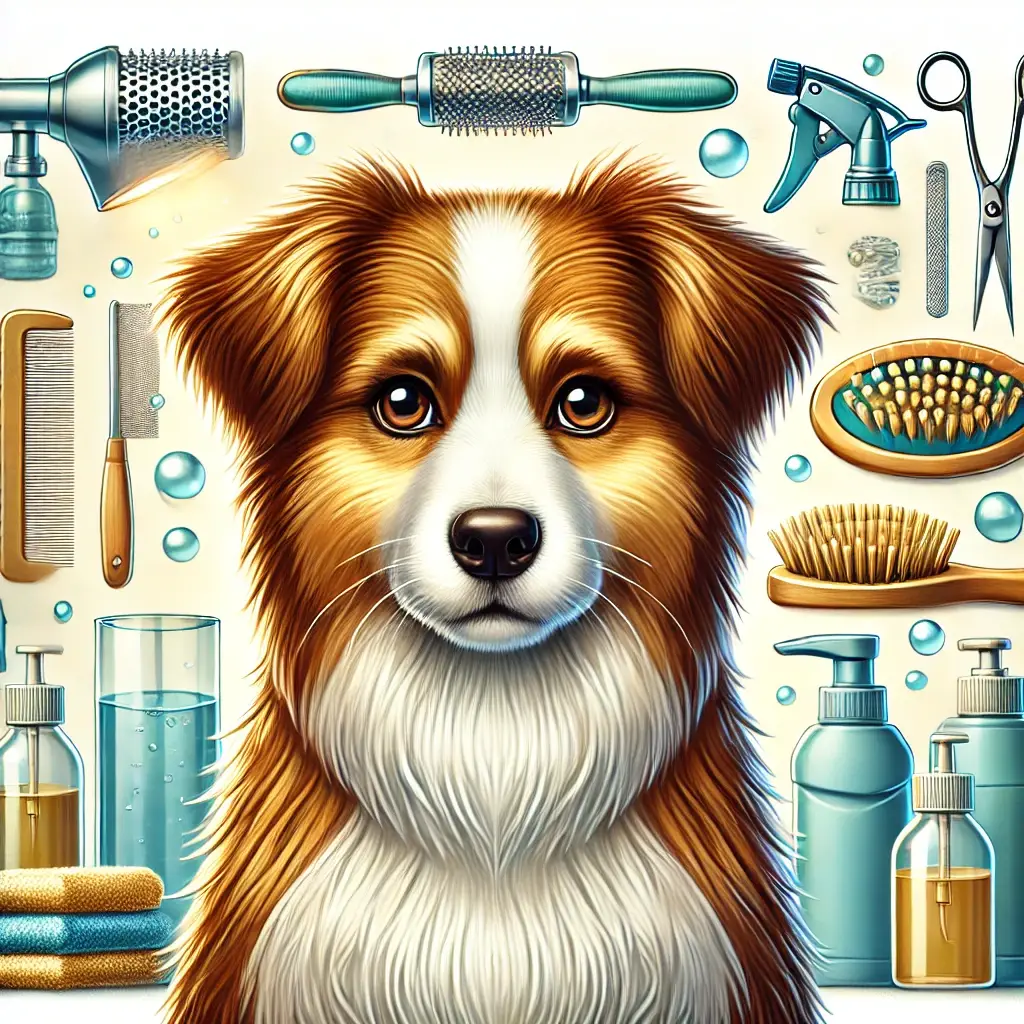
Regular grooming helps keep your pet clean and comfortable while also promoting skin health. Here’s what a comprehensive grooming routine includes:
- Brushing: Removes loose fur, reduces shedding, and prevents mats. For long-haired pets, brushing should be done daily, while short-haired pets may only need brushing once a week.
- Bathing: Most pets should be bathed every 4-6 weeks, but this depends on their coat type and activity level. Use a mild, pet-specific shampoo to avoid skin irritation.
- Nail Trimming: Overgrown nails can cause discomfort and even lead to injury. Trim your pet’s nails every 4-6 weeks or as needed.
- Ear Cleaning: Regular ear cleaning helps prevent infections, especially in breeds with floppy ears. Check for signs of infection, such as redness or foul odor.
- Coat and Skin Care: Keeping the coat trimmed and free from mats reduces the risk of skin infections. Regular brushing also distributes natural oils that keep the skin healthy.
2. Dental Care
Oral health is often overlooked in pets, but it’s vital for their overall health. Plaque and tartar buildup can lead to gum disease, tooth decay, and systemic health issues like heart disease.
- Brushing Teeth: Regular tooth brushing is the most effective way to prevent dental problems. Use a pet-specific toothbrush and toothpaste.
- Dental Chews and Toys: These can help reduce plaque and tartar buildup while satisfying your pet’s chewing instincts.
- Regular Checkups: Annual dental checkups are important to catch potential issues early and maintain oral hygiene.
3. Proper Nutrition
A balanced diet tailored to your pet’s specific needs is fundamental to their health. Here’s what to consider:
- Species-Appropriate Diet: Whether you have a cat, dog, or another animal, their nutritional needs vary. Consult your veterinarian to choose the right food.
- Portion Control: Overfeeding can lead to obesity, which increases the risk of various health problems, including diabetes, arthritis, and heart disease.
- Hydration: Make sure your pet has access to clean, fresh water at all times to prevent dehydration.
4. Preventive Medical Care
Regular veterinary visits and preventive care can catch potential health issues early and ensure your pet lives a long, healthy life. Some essential aspects of preventive care include:
- Vaccinations: Keeping up with your pet’s vaccination schedule helps protect them from serious diseases like rabies, distemper, and parvovirus.
- Flea, Tick, and Parasite Prevention: Regular treatments for fleas, ticks, and internal parasites (like heartworm) are crucial for your pet’s health and comfort.
- Spaying/Neutering: Spaying or neutering your pet can help prevent certain cancers and behavioral issues, while also contributing to population control.
- Annual Health Checkups: Routine veterinary exams help monitor your pet’s health and catch any issues early.
5. Mental and Physical Stimulation
A healthy pet is not just physically well but also mentally stimulated. Here are ways to ensure both:
- Exercise: Regular exercise is key to preventing obesity and keeping your pet’s muscles and joints healthy. Dogs benefit from daily walks, while cats enjoy interactive toys.
- Enrichment Activities: Puzzles, training sessions, and interactive games stimulate your pet’s brain and keep boredom at bay.
Conclusion
Maintaining your pet’s health and hygiene through proper grooming, dental care, nutrition, preventive medical care, and regular mental and physical stimulation is key to their happiness and well-being. By establishing good habits early on, you’ll ensure your pet remains healthy and happy for years to come.
You May Also Like