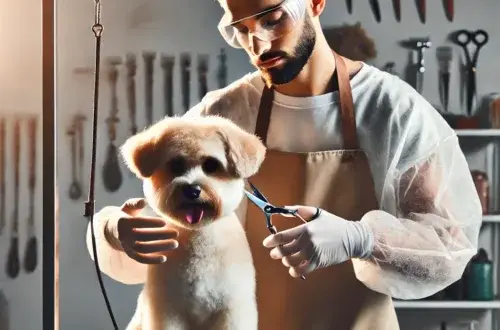
What to Do in Grooming Emergencies
In pet grooming, even experienced groomers may encounter emergencies. These situations can range from minor cuts to more serious issues, like allergic reactions or injuries, which require prompt attention. Knowing how to handle such incidents can prevent harm and ensure pets receive the best care. Here’s a guide to managing grooming emergencies effectively.
1. Stay Calm and Assess the Situation
When an emergency occurs, your first response is crucial. Remain calm and try to assess the severity of the issue. Panicking can make the pet anxious, which may worsen the situation. Take a deep breath and evaluate the problem, looking for signs of bleeding, pain, or unusual behavior in the animal.
2. Minor Cuts and Nicks
Small cuts can happen during grooming, especially when working on delicate areas like around the face or paws. If you notice a small cut:
• Clean the Area: Gently wash with a mild antiseptic to prevent infection.
• Apply Pressure: Use a clean cloth to stop any minor bleeding.
• Styptic Powder: Apply styptic powder to stop the bleeding quickly. This product is a must-have in any grooming kit as it’s safe and effective.
3. Major Injuries and Bleeding
If a pet experiences a severe injury that results in significant bleeding:
• Apply Pressure Immediately: Press a clean cloth or sterile gauze over the wound.
• Elevate: Try to keep the injured area elevated to reduce blood flow if possible.
• Seek Veterinary Help: If the bleeding doesn’t stop or the wound appears deep, contact a vet immediately. Have the vet’s contact information readily available at all times.
4. Allergic Reactions to Products
Some pets may have allergies to specific grooming products, including shampoos, conditioners, and sprays. Allergic reactions can appear as redness, swelling, itching, or respiratory issues.
• Rinse Thoroughly: Wash off any product with cool water to minimize the reaction.
• Administer Benadryl (if vet-approved): Some vets may suggest Benadryl as a safe option for mild allergic reactions in pets. Always check with the pet’s owner and vet before administering.
• Monitor for Severe Symptoms: If symptoms persist or worsen, seek immediate veterinary care.
5. Eye Irritation
Pets may sometimes get shampoo or other grooming products in their eyes, causing irritation.
• Flush the Eyes: Use a saline solution to gently flush the eyes and remove any irritants.
• Apply an Eye Rinse: After flushing, apply a pet-safe eye rinse.
• Consult a Vet: If redness or irritation continues, advise the pet’s owner to consult a veterinarian.
6. Overheating or Heatstroke
During drying, pets can overheat if the dryer is too hot or if they become stressed. Heatstroke is a serious condition that requires immediate attention.
• Stop Drying Immediately: Turn off the dryer and remove the pet from any heat sources.
• Cool Down the Pet: Use cool (not cold) water on the paws, stomach, and neck to gradually lower their temperature.
• Offer Water: Provide fresh water and allow the pet to drink at their own pace.
• Contact a Vet: Heatstroke can have serious aftereffects, so it’s essential to seek veterinary advice as soon as possible.
7. Nail Trimming Injuries
Accidentally cutting a nail too short can lead to bleeding and pain.
• Apply Styptic Powder: This is highly effective at stopping nail bleeding.
• Hold Firmly: Keep the pet calm and apply gentle pressure until the bleeding subsides.
• Avoid Further Trimming: Give the pet time to relax and heal before attempting any additional grooming.
8. Unusual Behavior or Sudden Illness
Pets sometimes react to grooming with unusual symptoms, like shaking, vomiting, or lethargy.
• Observe Closely: Try to note any changes in behavior and document the details.
• Contact the Owner: Inform the pet’s owner and suggest that they monitor the pet closely.
• Follow-Up with a Vet: In cases where symptoms persist, a veterinarian may need to examine the pet to rule out underlying health issues.
Conclusion
Handling emergencies is an integral part of grooming, and preparation is key. By staying calm, assessing the situation, and having essential first-aid supplies on hand, groomers can effectively manage most emergencies. Building a trusted relationship with a nearby veterinarian is also beneficial, as it ensures immediate support when needed. Above all, a focus on safety and caution throughout the grooming process can help prevent many emergencies.


You May Also Like