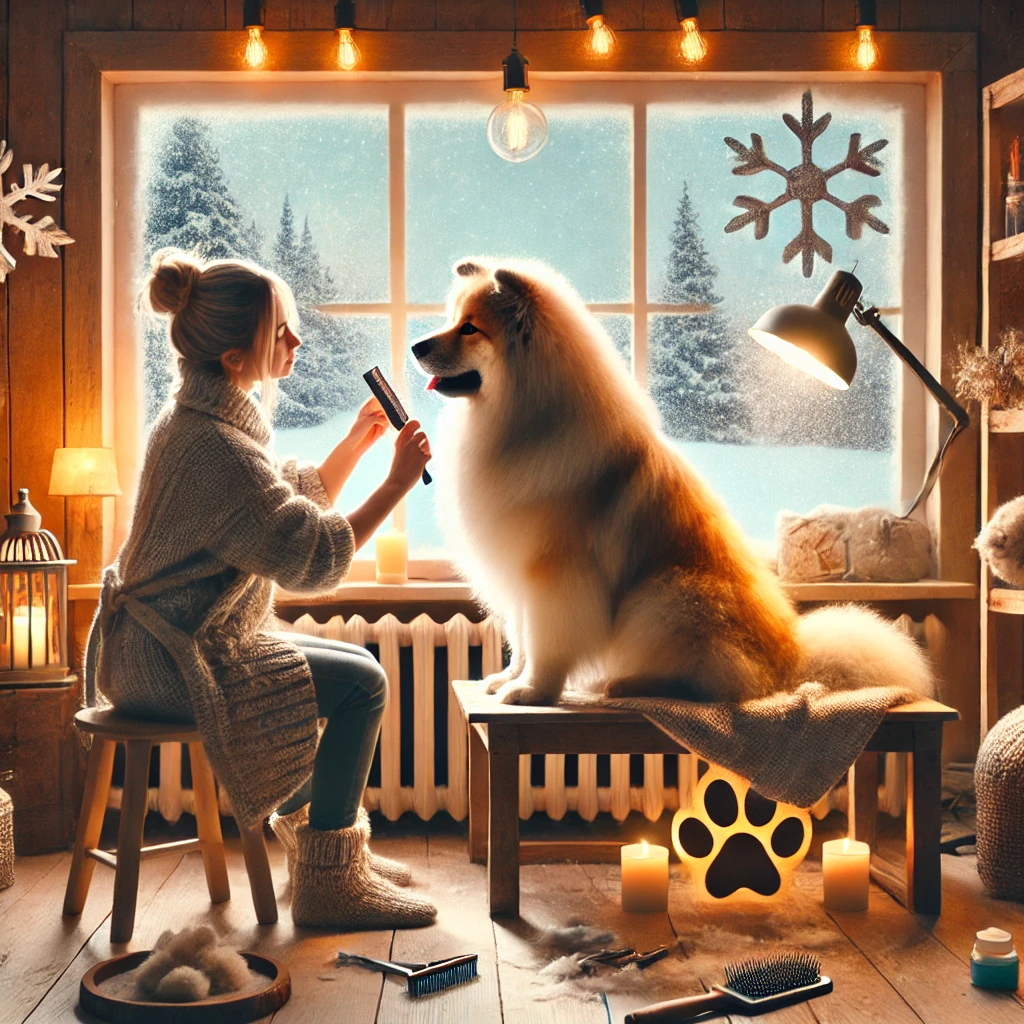
Winter Coat Care for Pets
As the colder months approach, pet owners often wonder how to best care for their pets’ coats to keep them warm, healthy, and comfortable. Winter coat care involves a combination of regular grooming, adjusting to seasonal changes, and understanding how to manage common issues like dryness or matting. Here’s a comprehensive guide to help maintain your pet’s coat during winter.
1. Understand Winter Coat Changes
During winter, many pets grow thicker coats to provide insulation:
• Double-Coated Breeds: Dogs with double coats (such as Huskies and German Shepherds) often develop a dense undercoat to help them stay warm. Avoid shaving these breeds in winter, as the coat acts as natural insulation.
• Single-Coated Breeds: Breeds with single coats may need extra protection, such as sweaters or jackets, as they lack the insulating undercoat.
2. Maintain Regular Brushing
Brushing is crucial to keep a pet’s coat healthy during the winter:
• Prevent Matting: Mats can cause discomfort and hinder insulation. Use a slicker brush to remove tangles and prevent mat formation.
• Distribute Natural Oils: Regular brushing helps distribute natural oils across the coat, reducing dryness caused by indoor heating.
• Weekly Frequency: Aim for at least one to two brushing sessions per week, depending on your pet’s coat type.
3. Moisturize to Combat Dryness
Cold air and indoor heating can cause dry skin:
• Use Pet-Safe Moisturizers: Invest in a pet-specific conditioner or moisturizer to keep your pet’s skin hydrated.
• Consider Adding Omega-3: Adding omega-3 supplements to your pet’s diet can improve skin health, as it helps maintain moisture and reduce itchiness.
• Avoid Over-Bathing: Bathing too frequently can strip natural oils; limit baths to once a month or as needed.
4. Manage Seasonal Shedding
Although pets tend to shed less in winter, some still lose a significant amount of fur:
• Use De-Shedding Tools: For breeds prone to winter shedding, use a de-shedding brush to remove loose undercoat hair.
• Vacuum Regularly: Winter shedding can increase indoor fur; frequent vacuuming helps manage pet hair at home.
5. Protect Against Snow and Ice
Cold weather elements can pose additional challenges for grooming:
• Trim Paw Hair: Keep the hair around paws trimmed to prevent ice, snow, and salt from clumping, which can be uncomfortable and lead to infections.
• Use Pet-Safe Paw Balm: Apply paw balm to protect against dryness and cracking, as salt and ice can be harsh on paws.
• Check for Snowballs: After outdoor play, inspect your pet’s coat for snowballs, especially on long-haired breeds, as they can be uncomfortable and melt indoors, causing wet fur.
6. Hydration and Diet Adjustments
A healthy diet helps maintain coat quality through the winter:
• Ensure Hydration: Cold weather may reduce water intake, so ensure your pet has access to fresh water, even if they spend more time indoors.
• Support with Nutrients: A balanced diet rich in vitamins and minerals supports coat health. Foods high in essential fatty acids are particularly beneficial for winter coat care.
Conclusion
Winter coat care is essential for keeping pets warm, healthy, and comfortable throughout the season. Regular brushing, managing dryness, and protecting against winter elements contribute to a soft, well-maintained coat. By following these steps, pet owners can ensure their pets are ready to embrace the winter months in optimal health.